Caribbean Food Denver: A Tasty Tour of Island Classics
@jaidenqeqe454
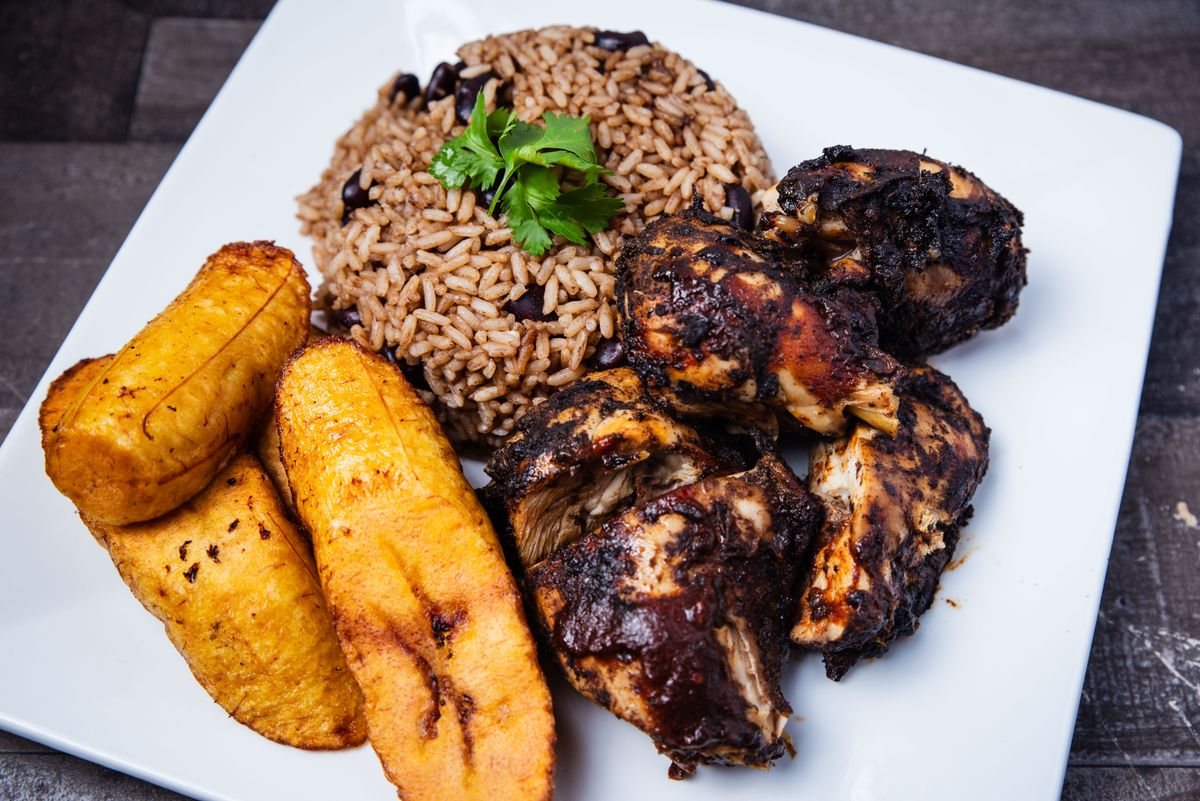
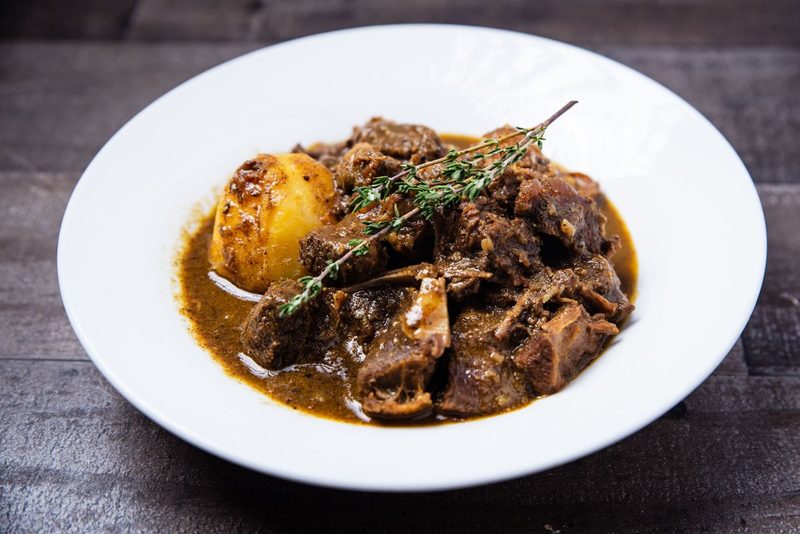
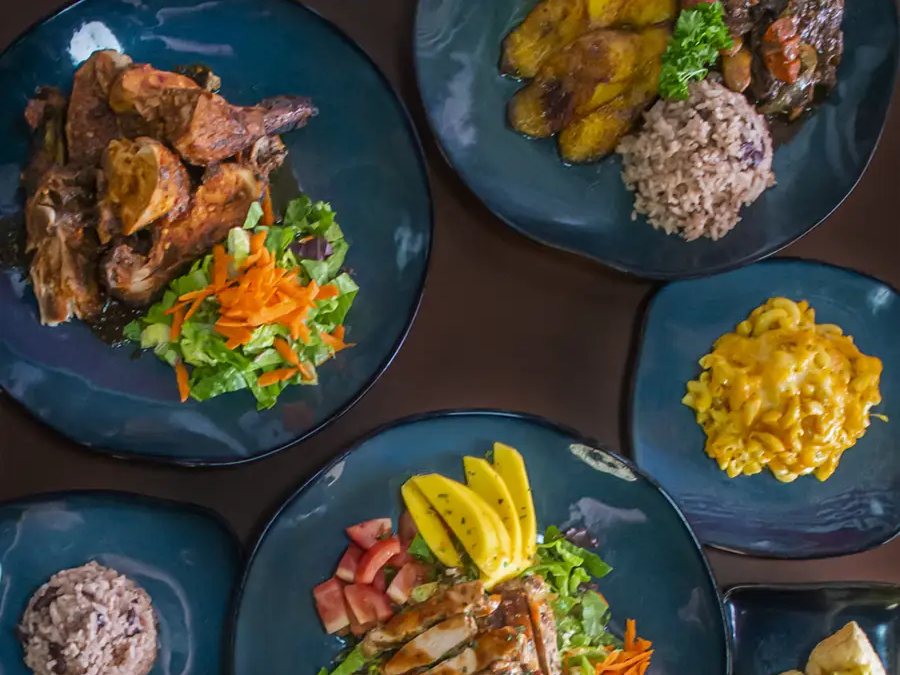
Denver may be better known for green chile, craft beer, and steakhouse menus, but the city has quietly built a rewarding Caribbean dining scene. For anyone searching for caribbean food denver, the appeal goes well beyond novelty. These are dishes with history, backbone, and personality. They rely on patient marinades, slow braises, bright condiments, assertive spice blends, and cooking techniques that understand how to draw flavor from every part of the pot.
What makes Caribbean food especially compelling in a city like Denver is contrast. Outside, the air can be dry and cool, the mountains always hovering in the distance. Then a plate arrives carrying the scent of allspice, thyme, Scotch bonnet, coconut, citrus, and smoke. It shifts the room. Good Caribbean cooking has that effect. It brings warmth without becoming heavy, and complexity without losing its sense of comfort.
The phrase “Caribbean food” covers a wide culinary map, and that matters if you are trying to eat well rather than just chase a trend. Jamaican cooking is often the first style diners recognize, largely because jerk chicken, curry goat, and beef patties have become shorthand for the region. But Caribbean food also carries strong Trinidadian, Haitian, Cuban, Puerto Rican, Dominican, and broader Afro-Caribbean influences, each with its own pantry and logic. Even within one island, preparation can vary dramatically from one family or restaurant to the next. A stew may be sweeter, darker, hotter, or more herbal depending on who is cooking it.
That diversity is exactly why Denver’s growing interest in island cooking deserves a closer look.
What defines Caribbean flavor on the plate
The easiest mistake a diner can make is assuming Caribbean food is simply “spicy food from tropical places.” Heat is part of the story, but it is not the whole story, and sometimes not even the main one. The deeper pattern is layering. Cooks build flavor in stages, often starting with a green seasoning or marinade that includes herbs, garlic, onions, scallions, peppers, and acid. Spice blends can lean earthy, smoky, citrusy, or sweetly aromatic. Browning sauce, coconut milk, fresh lime, vinegar, ginger, cloves, cinnamon, and pimento all have their place.
Texture also matters more than many first-time diners expect. A proper piece of jerk chicken should give you char at the edges and juicy flesh underneath. Oxtail should collapse at the touch of a fork but still taste concentrated, not washed out. Rice and peas should be distinct and fragrant, not a mushy side thought. Fried plantains should strike that difficult balance between caramelized surface and creamy interior. When Caribbean food is done well, every component has intent.
Denver diners often respond quickly to that interplay because the city has developed a strong taste for regional specificity. People here tend to appreciate craft, whether it shows up in barbecue, ramen, tacos, or pastries. Caribbean cooking rewards that same attention. A curry is not just a curry. The color, thickness, spice profile, and level of sweetness tell you something about the cook.
The dishes worth seeking out first
If you are new to caribbean food denver, start with the classics, but order with a little strategy. The menu items that define a kitchen are often the ones requiring the most labor.
Jerk chicken is the obvious entry point, yet it is also the dish most likely to expose shortcuts. Real jerk flavor should not stop at surface heat. You want smokiness, thyme, allspice, scallion, and a slow burn that lingers rather than blasts. In many restaurants, the best version comes from dark meat because it holds up to the marinade and cooking process. If the chicken tastes like standard grilled poultry with hot sauce added later, the kitchen has missed the point.
Oxtail is another benchmark. It is rarely cheap, and for good reason. It takes time to trim, season, brown, braise, and reduce properly. The payoff is rich, gelatinous meat in a gravy that should coat rice beautifully. In Denver, where diners are comfortable paying more for labor-intensive dishes, a strong oxtail plate often signals a serious kitchen. Portion size varies, so ask if you are deciding between it and another entrée.
Curry goat deserves more attention than it usually gets. When prepared with care, the meat is tender without becoming stringy, and the sauce carries a rounded spice profile that is savory first, hot second. Goat can be divisive for guests who have never tried it, but the best versions convert skeptics quickly. It has a depth that stands up well to rice, roti, or festival bread.
Beef patties are the snack that can tell you whether a restaurant respects its foundations. A good patty has a flaky shell with a filling that is well-seasoned and not greasy. In some places, patties are an afterthought, brought in frozen and reheated. In others, they are a source of pride, with pastry that shatters slightly at the first bite. If a Denver spot makes a memorable patty, I usually take that as a promising sign for the rest of the menu.
Then there are the sides, which are not really side characters at all. Rice and peas, cabbage, fried plantains, macaroni pie, and stewed vegetables can turn a decent meal into a complete one. Caribbean cooking often shines through these supporting pieces because they carry the home-cooking DNA of the cuisine. If the mains feel restaurant-polished but the sides taste flat, the meal loses some of its soul.
Why Denver works for island cooking
At first glance, Denver does not seem like an intuitive home for Caribbean cuisine. The city is inland, high altitude, and seasonally cold. Yet those conditions do not necessarily work against the food. In fact, some of the best Caribbean dishes fit the climate surprisingly well.
Stewed meats, curried dishes, and braises are deeply satisfying during winter. Rice, beans, and plantains deliver the sort of comfort many people seek on cold evenings. Even jerk and grilled preparations, which evoke outdoor cooking and warm weather, appeal year-round because Denver diners embrace bold flavor regardless of season. This is a city where smoked meats, spice-heavy sausages, and green chile all have a loyal following. Caribbean food enters that landscape naturally.
There is also a practical restaurant reason. Denver has matured into a city where diners will travel for a specific dish. Ten or fifteen years ago, some regional cuisines struggled because guests expected broad, familiar menus. Today, a kitchen can build a reputation around a handful of specialties if it executes them consistently. Caribbean food benefits from that shift. A restaurant no longer has to dilute its identity to survive.
Another factor is the city’s appetite for casual excellence. Many Caribbean restaurants are not trying to perform luxury. They win through seasoning, portioning, hospitality, and consistency. Denver has become increasingly receptive to that model. People care less about white tablecloths than they do about whether the food feels honest and worth returning for.
Reading the menu like someone who has been there before
The smartest way to order Caribbean food, especially in a new place, is to pay attention to where the kitchen seems most confident. Menus often reveal this if you read them carefully.
A focused menu is usually a good sign. Caribbean food relies heavily on advance prep, marination, and long cooking. If a small restaurant offers thirty unrelated dishes spanning half the globe, quality can drift. A tighter menu suggests the cooks know their lane and can execute it day after day.
Look for evidence of house-made elements. That might mean sauces, patties, fresh juice, roti, or marinades described with some specificity. You do not need a menu to tell a life story, but a little detail often indicates care. “Jerk chicken” is fine. “Jerk chicken marinated overnight with house seasoning” tells you more. It does not guarantee quality, but it hints at process.
Ask about heat before you order, especially with sauces and pepper condiments. Caribbean kitchens vary widely in how they calibrate spice for a broad customer base. Some hold back unless you request extra heat. Others serve dishes close to how the family cooks at home. Neither approach is wrong, but you want to know what to expect. The same goes for portion size. Some plates are generous enough for leftovers, while others are better if you add an appetizer or side.
If a restaurant offers daily specials, pay attention. Specials are often where a kitchen puts seasonal energy or home-style dishes that regulars know to watch for. A Saturday soup, a stew not on the standard menu, or a fresh seafood preparation can be more revealing than the permanent bestsellers.
The role of spice, and why “hot” is the least interesting question
People talk about Caribbean food as if the main challenge is surviving the heat. That attitude misses nearly everything good about the cuisine. The better question is not “How spicy is it?” but “What kind of spice profile does it have?”
A Scotch bonnet pepper does not behave like generic hot sauce. It brings fruitiness along with heat. Allspice gives jerk seasoning its unmistakable warmth, but without thyme, garlic, and smoke, it feels incomplete. Curry blends used in Caribbean kitchens often have a different emphasis than Indian curry powders found in supermarkets. You may notice more toasted depth, more assertive earthiness, or a slightly different balance of turmeric, coriander, caribbean food denver and fenugreek.
This matters when you are choosing dishes in Denver because some restaurants adapt to local expectations in ways that soften complexity. There is nothing inherently wrong with making a dish more accessible, but the best places preserve the architecture of flavor even when they moderate the heat. A diner should still taste the herbs, spice, smoke, sweetness, and acid working together.
Beyond the big-ticket entrées
One of the pleasures of exploring caribbean food denver is discovering how much of the experience lives in the smaller dishes and drinks. The mains get the headlines, but the edges of the menu often carry the strongest sense of place.
Plantains, for example, can tell a whole story. Green plantains tend to be starchy and savory, often fried into tostones. Ripe plantains move toward sweetness and caramelization. Each version changes the plate around it. A salty, spicy meat with sweet plantains feels balanced in a way that is hard to fake. Skip them, and you sometimes miss the dish’s intended rhythm.
Cabbage appears on many plates as a simple side, but a well-made version has bite, seasoning, and freshness that reset the palate between richer bites of meat and rice. It is easy to overlook until you have a plate where every forkful benefits from it.
Then there are the drinks. Sorrel, ginger beer, and tropical fruit juices can deepen the meal when they are made in-house. Sorrel has a tart, spiced profile that works especially well with savory meats. Ginger beer should have real bite, not just sweetness. Fresh juices can cut through heavier dishes in a way soda never quite manages.
Desserts deserve a moment too. Rum cake, sweet breads, coconut-based sweets, and puddings may not always headline the meal, but in a strong kitchen they carry the same layered seasoning found elsewhere on the menu. Nutmeg, cinnamon, vanilla, and coconut often do the quiet work.
What authenticity really means here
“Authentic” is a slippery word in restaurant conversation. Diners use it as praise, accusation, and shorthand, often all at once. With Caribbean food, the issue gets even more tangled because regional traditions travel, adapt, and blend. Denver cooks may adjust ingredients based on availability, kitchen size, or what the local market will support. That does not automatically make the food less legitimate.
A better measure is whether the dish honors its underlying logic. Does the jerk actually taste like jerk, not generic barbecue spice? Does the curry show patience and depth? Are the sides treated as reggaepotjamaicangrill.com caribbean food denver essential rather than decorative? Does the cooking reflect a clear lineage, even if the presentation has evolved?
I have eaten excellent Caribbean food in stripped-down takeout counters and in more polished dining rooms. The setting is secondary. What matters is whether the plate feels like it came from knowledge rather than approximation. Diners can usually sense the difference. Food made from memory and repetition has a confidence that copied recipes rarely achieve.
The practical side of finding good Caribbean food in Denver
A little planning helps. Caribbean restaurants sometimes operate on rhythms that differ from larger mainstream chains. Certain dishes may sell out. Weekend traffic can be heavier. Hours can be tighter than you expect. Staff may steer you toward what is freshest or what they do best that day, and it is often wise to listen.
If you are organizing a first visit, keep these points in mind:
- Go earlier in service if you have your heart set on a specific braise or special.
- Order at least one signature meat dish and one house side, rather than playing it too safe.
- Ask which sauce or condiment the staff recommends with your meal.
- Expect seasoning to lead the experience, not fancy plating.
- If the restaurant offers patties or roti to go, take one for later.
That kind of approach gives you a truer read on a restaurant than ordering the most familiar item and leaving it at that.
Pairing the meal with the moment
Caribbean food suits different occasions better than many diners realize. It can be a quick lunch, a hearty family-style dinner, or the kind of takeout that improves after a short rest, when sauces settle into rice and spices bloom even further. Jerk chicken and patties are excellent for a casual midday meal. Oxtail and curry goat fit slower dinners. A spread with sides and drinks works especially well for groups, since many of these dishes are built for sharing.
Denver’s dining culture also leans heavily on takeout and delivery, and Caribbean food often travels better than fragile cuisines that rely on crispness or minute-by-minute assembly. Stews and curries can actually hold up beautifully in transit. The caution is fried items. Plantains and patties are best when they do not spend too long trapped in a steamy container. If you are ordering for home, pick up promptly and vent containers if needed once you arrive.
The altitude question comes up occasionally with cooks, especially around baking and long braises, but for the diner the results are what matter. A kitchen that knows its equipment and process can produce deeply satisfying food regardless of elevation. The strongest Caribbean restaurants in Denver are not successful because they imitate tropical conditions. They are successful because they understand flavor development and consistency.
A city with room for more island voices
There is still room for Caribbean food in Denver to grow, particularly in breadth. Jamaican fare tends to be the gateway, but the region offers far more than most diners regularly see. Trinidadian doubles, Haitian griot, Puerto Rican pernil, Dominican stews, Cuban sandwiches done with real care, and lesser-known soups and seafood dishes all deserve more attention in the city’s food conversation.
As that growth happens, diners benefit by becoming more curious and a little less rigid. Not every plate will resemble what you had on vacation, or what a friend’s grandmother made, or what one restaurant in another city taught you to expect. Caribbean cuisines are living traditions. They move with the people who cook them. They change shape without losing identity.
That is part of what makes searching for caribbean food denver so rewarding right now. The scene feels personal. You can still sense individual hands behind the food. You can taste family patterns, regional memory, and the practical adaptations of running a restaurant in Colorado. It has not been smoothed into sameness.
The meal people remember
When Caribbean food lands exactly right, the memory tends to be specific. You remember the smell first, maybe smoke and thyme rising from jerk chicken, or the dark sheen of oxtail gravy over rice. You remember a side of plantains that seemed simple until you realized the whole plate depended on their sweetness. You remember hot sauce that brought fruit as well as fire. You remember a room where the hospitality was direct and unshowy, where the recommendation from behind the counter turned out to be the smartest order of the night.
That is the promise of Caribbean cooking in Denver. Not just a break from routine, and not a box to check on some culinary scavenger hunt. It offers a serious, satisfying cuisine built on craft and patience, one that rewards repeat visits because a single meal never tells the whole story.
For diners willing to explore with attention, the city now offers more than a passing taste. It offers the chance to understand why these island classics endure, and why, even thousands of miles from the Caribbean Sea, they can feel exactly at home on a Denver table.
Reggae Pot Jamaican Grill
2243 S Monaco St Pkwy, Suite 104
Denver, CO 80222
(720) 410-2956
FAQ About caribbean food denver
What is a typical Caribbean meal?
Caribbean cuisines vary by island. A Jamaican meal might pair jerk chicken or oxtail with sides such as rice and peas, cabbage, or fried plantains.
What is Jamaica’s national dish?
Ackee and saltfish is widely recognized as Jamaica’s national dish. Check the current menu for availability.
Is Caribbean jerk the same as Jamaican jerk?
Jerk is a Jamaican cooking tradition associated with seasoning and slow cooking or grilling. The exact heat level and preparation vary by cook.