Caribbean Food Denver: Where to Get the Perfect Jerk Plate
@jaidenqeqe454
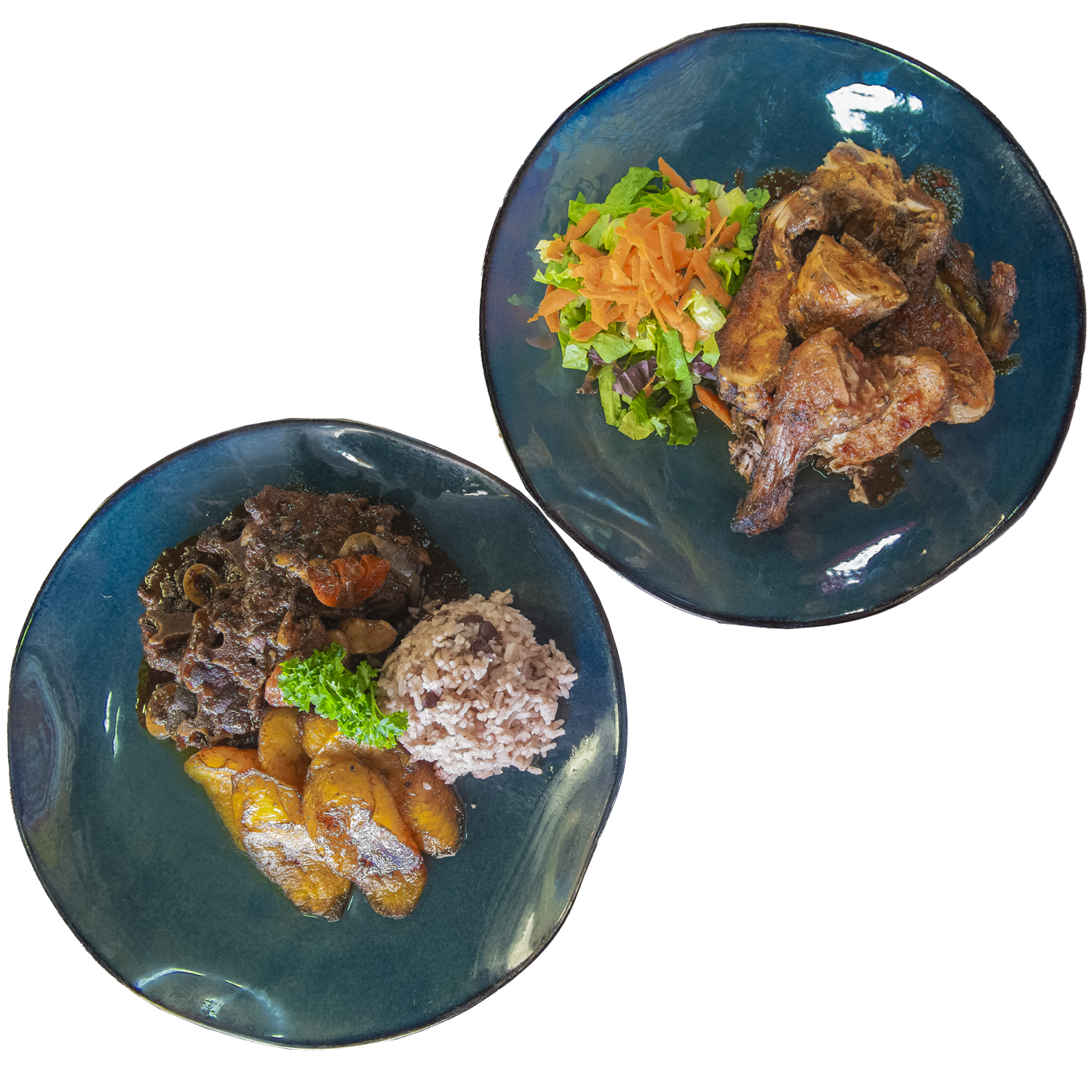
Denver is not the first American city people mention when they talk about Caribbean cooking, and that is exactly why the best meals here can feel like discoveries. You are not dealing with a scene built for tourists. You are dealing with cooks, family-run counters, food trucks, and pop-ups that win people over one plate at a time. When someone in Denver finds a jerk chicken spot they trust, they tend to guard it a little.
That matters, because a proper jerk plate is easy to describe badly and surprisingly hard to execute well. It is not just grilled chicken with a sweet-spicy glaze. Good jerk has heat, yes, but it also carries smoke, scallion, thyme, allspice, garlic, ginger, and that unmistakable savory depth that lingers after the first bite. The rice and peas need to stand on their own. The plantains should taste ripe and caramelized, not tired and oily. If cabbage is on the plate, it should bring relief and crunch, not serve as filler.
For anyone searching for caribbean food denver locals actually return to, the smartest approach is not simply to type “jerk chicken near me” and chase the nearest result. It helps to know what defines a strong plate, where Denver’s best Caribbean cooking tends to show up, and what separates a serious kitchen from a place that just borrows the label. Once you know that, you can eat very well here.
What a perfect jerk plate should taste like
A lot of people fixate on spice level. Heat is part of it, but it is not the whole story, and often not even the most important part. Traditional jerk seasoning is layered. Scotch bonnet peppers bring fire and fruitiness. Allspice gives the warm, almost sweet backbone. Thyme, scallion, garlic, onion, and ginger build aroma. Then smoke ties everything together.
When the chicken arrives, you want to notice the smell before the first bite. It should be fragrant and a little sharp from the spice blend. The outside should show char in patches, not a uniform red-brown coating that looks brushed on at the last minute. The meat itself should still be juicy. Dry jerk chicken, no matter how aggressive the seasoning, is a disappointment.
Sides tell you almost as much as the main protein. Rice and peas, usually made with coconut milk, kidney beans or gungo peas depending on the kitchen, should be distinct and fluffy rather than wet or sticky. Plantains should be soft inside with darkened edges. A little sweetness is welcome because it balances the savory and spicy parts of the plate. Some places add mac and cheese, festival bread, or stewed vegetables. Those can be great, but they should never feel like compensation for weak chicken.
One thing experienced diners learn quickly is that the best jerk often looks less polished than the average social-media plate. It may come in a foam clamshell, sauce pooling into the rice, with a few blistered edges on the meat. That is not a flaw. It is usually a sign that the kitchen is focused on flavor first.
Why Denver’s Caribbean scene rewards patience
In cities with long-established Caribbean neighborhoods, you can often choose between dozens of restaurants in a few blocks. Denver works differently. Here, strong Caribbean food is more dispersed. You may find it in a strip mall, parked outside a brewery, at a weekend market, or inside a shared food hall. Some of the best operators move between formats over time. A truck becomes a stall. A pop-up becomes a small storefront. A restaurant shifts hours to focus on catering and events.
That fluidity can frustrate anyone expecting a stable, easy-to-map dining scene. It can also be an advantage. Smaller operators often keep tighter control over seasoning, prep, and portions. The jerk marinade has time to develop. The steam table does not sit for half a day. The owner is usually close enough to the line to notice if something is off.
For caribbean food denver diners should think less in terms of big-name restaurant districts and more in terms of local followings. Ask where people order for family dinners, birthday trays, church events, and late lunch on a Saturday. Those answers usually point toward the places worth your time.
Where to look for the best jerk plate in Denver
The first place to look is among independent restaurants with a narrow menu and a clear point of view. If a kitchen is trying to cover Jamaican, Trinidadian, Haitian, soul food, wings, burgers, tacos, and brunch all at once, focus can become a problem. A more limited menu often means the jerk receives the attention it deserves.
Food trucks are another strong bet. Jerk chicken translates well to that format because the cooking can stay straightforward and the turnover can be quick. A truck that regularly sells out by midafternoon is worth tracking. In Denver, that kind of sellout usually means repeat customers, not hype alone.
Pop-ups deserve even more attention than many diners give them. Caribbean cooks often test menus this way before committing to a permanent space. The upside for you is freshness and intensity. Pop-up operators tend to cook fewer dishes, which means more care goes into each tray. The downside is inconsistency in scheduling. If you find a pop-up plate you love, follow the business directly rather than relying on third-party apps.
Markets and food halls can be hit or miss, but they are useful if you want to compare styles. One stall may lean heavily into smoke and char. Another may feature sweeter seasoning or softer heat. Denver’s dining culture supports these mixed-use spaces well, which gives smaller Caribbean brands a chance to build a customer base without the overhead of a full restaurant. For the diner, that means more opportunities to try good food in neighborhoods where you might not expect it.
The signs that a Denver jerk spot is the real thing
You do not need a culinary degree to spot a promising plate, but a few details matter. I pay attention before I order, not just after the food lands on the table.
- The aroma hits first, with smoke, thyme, allspice, and pepper, not just sugary sauce.
- The chicken shows uneven char and color, a sign of actual grilling or roasting, not a last-minute seasoning shortcut.
- The menu is focused enough that the kitchen can execute core dishes well.
- The rice and peas look like they belong on the plate, not like an afterthought scooped from a generic steam pan.
- Staff can tell you what makes their jerk different, whether that is marinade time, wood smoke, spice level, or family style.
None of these details guarantees perfection, but together they tell you whether the kitchen takes the dish seriously. In Denver especially, seriousness matters. The scene is not large enough to coast on branding alone for long.
Brick-and-mortar comfort versus truck and pop-up energy
There is no single best format for a jerk plate. Each one offers something different, and the right choice depends on what kind of meal you want.
A brick-and-mortar restaurant usually gives you consistency. You can sit down, order a fuller meal, maybe add an appetizer or drink, and settle in. If you are introducing someone to Caribbean food for the first time, this can be the easiest route. There is room for hospitality, for conversation, for side dishes that need more care.
Food trucks often produce a plate with more immediacy. The line can be short, the chicken can be fresher off the grill, and the flavors may feel more direct. You lose some comfort, but you gain urgency. There is a certain pleasure in eating a caribbean food denver hot jerk plate outdoors while the smoke is still hanging in the air.
Pop-ups are where you may find the most personality. A cook working a one-day event often puts a lot of pride into every component because each service is a chance to build reputation. The menu might be small, maybe just jerk chicken, oxtails, rice and peas, plantains, and one dessert, but when that focus is real, the results can be memorable.
The trade-off is reliability. A brick-and-mortar kitchen can disappoint if it leans too hard on volume. A truck can run out of the best items. A pop-up can vanish for a month. Denver diners who eat the best Caribbean food usually accept this and adjust. They check social channels, ask about weekend hours, and order early.
What to order with your jerk chicken
A jerk plate is a whole composition, not a protein plus filler. If you want the meal to make sense, choose sides that support the spice and smoke.
Rice and peas is the standard for a reason. It soaks up drippings and gives the plate body. Plantains bring sweetness and relief. Cabbage or slaw adds brightness. If a place offers festivals, those slightly sweet fried dough pieces can be excellent alongside jerk because they pick up sauce without competing for attention.
Mac and cheese appears on some Denver plates because local diners love it and it sells. I have no philosophical objection to that. The question is whether it belongs with the rest of the meal. If the mac is heavily cheesed and dense, it can flatten the sharper flavors that make jerk exciting. If it is lighter and well-seasoned, it can work.
Oxtails are worth adding only if you are genuinely hungry or sharing. They tend to dominate the table, both in richness and price. Curry goat can be a smarter second dish if you want contrast rather than more weight. That said, if your mission is the perfect jerk plate, do not distract yourself too much. Judge the house on its signature first.
Heat level, authenticity, and the question people always ask
People often ask whether a dish is “authentic” when what they really mean is “Does this taste like it was made by someone with conviction?” In a city like Denver, authenticity is not a static checklist. Ingredients shift. Equipment changes. Local customers shape menus. A cook may tone down spice for a broad audience while still preserving the structure of the marinade. Another may keep the heat high and let the customer decide whether they are ready for it.
The more useful question is whether the flavors feel coherent. Does the seasoning penetrate the meat, or sit on top? Is the smoke integrated? Do the sides reflect the same level of care? That tells you more than a slogan on the wall.
As for heat, ask before ordering if you are sensitive. A serious jerk plate should have some kick, but the range is wide. Some Denver kitchens serve a gentler version by default and offer hotter sauce on the side. Others commit to a bolder profile from the start. Neither is wrong. What matters is balance. Heat that obliterates the allspice, thyme, and smoke misses the point.
Finding great Caribbean food in Denver without wasting money
Third-party delivery apps are convenient, but they can distort what a place does best. Jerk chicken loses something when it sits in a closed container too long. Skin softens. Smoke fades. Plantains steam. If you can pick up or dine in, do that. Your first impression of a restaurant should not come after twenty-five minutes in a driver’s back seat.
Timing also matters more than most people realize. Order too late in the service window and you may get the end of a batch. Order at peak lunch or early dinner, and the food is more likely to be in rhythm. This is especially true for trucks and smaller counters.
If you are exploring the caribbean food denver scene for the first time, keep these habits in mind:
- Start with jerk chicken, rice and peas, and plantains before branching into larger mixed orders.
- Pick up in person when possible, especially if the place is known for grilled items.
- Ask what was made fresh that day, staff will usually steer you well.
- Follow the business directly for special menus, weekend locations, and sellout warnings.
- Return at a different time if the first visit seems off, small kitchens can vary from service to service.
That last point matters. I have eaten at places where a rushed weekday plate felt average, then returned on a Saturday and found the food transformed. More smoke, better texture, stronger sides. One imperfect visit can be a bad sample rather than a final verdict.
Neighborhoods, events, and the hidden map of good eating
Denver’s best Caribbean meals are not always concentrated in one obvious corridor. You often find them where small business rent is workable, where community events create foot caribbean food denver traffic, or where food truck culture is already strong. Breweries, neighborhood festivals, farmers markets, and multi-vendor food events are often better hunting grounds than glossy “best of” lists.
That may sound inconvenient, but it reflects how food culture actually spreads in many cities. A cook builds a base through catering. Then comes a truck, then a pop-up residency, then perhaps a storefront. The people who eat best are the ones paying attention early.
If you are new to the scene, ask bartenders at local breweries which Caribbean truck gets the strongest turnout. Ask market vendors which food pop-up sells out first. Ask friends who order party trays for family gatherings. Those recommendations tend to be more honest than search results.
One of the pleasures of eating this way is that you begin to notice how much Denver rewards curiosity. The perfect jerk plate may not be attached to the largest dining room or the slickest branding. It may come from a weekend setup with folding tables and a line of regulars who already know to add extra sauce and grab a second order of plantains.
What disappoints most often, and how to spot it early
The most common failure is sweetness without depth. Some places make jerk taste like barbecue sauce with extra pepper. That is not enough. If all you notice is sugar and heat, the dish has missed its center.
Second is under-seasoned rice. Because jerk chicken is assertive, kitchens sometimes assume the sides can coast. They cannot. Bland rice drags down the whole plate. Weak plantains do the same. A strong Caribbean meal carries flavor from edge to edge.
Third is dryness, especially in chicken breast-heavy portions. Jerk works best when the meat can protect itself a bit. Dark meat often handles the marinade and cooking process more gracefully. If a place gives you a choice between white and dark meat, dark is usually the safer order.
Finally, watch for plates that look oversized but feel strangely empty. A huge mound of rice with a few chopped chicken pieces on top may photograph well, but it is not the same as a composed, generous jerk dinner. Value is not just portion size. It is flavor density, proper preparation, and the sense that each component belongs.
The plate worth chasing
The perfect jerk plate in Denver is not necessarily the fanciest one, and it is rarely the one marketed hardest. It is the one that tastes like someone cared enough to marinate properly, grill with confidence, season the sides, and send out a meal with identity.
That plate exists here. Sometimes it is found at a small neighborhood counter where regulars come in by name. Sometimes it is parked outside a brewery on a sunny evening. Sometimes it appears at a pop-up that posts its menu the night before and sells out before dusk. Denver’s Caribbean food scene asks a little more effort from the diner, but it pays that effort back in flavor.
If your goal is to find the best caribbean food denver has to offer, chase smoke, not hype. Look for short menus, busy service, fragrant spice, and sides that can hold their own. Order early. Eat it hot. And when you find a jerk plate that gets the balance right, spicy, smoky, savory, and just sweet enough, do what locals do. Remember the name, tell a friend you trust, and go back before the secret gets too big.
Reggae Pot Jamaican Grill
2243 S Monaco St Pkwy, Suite 104
Denver, CO 80222
(720) 410-2956
FAQ About caribbean food denver
What is a typical Caribbean meal?
Caribbean cuisines vary by island. A Jamaican meal might pair jerk chicken or oxtail with sides such as rice and peas, cabbage, or fried plantains.
What is Jamaica’s national dish?
Ackee and saltfish is widely recognized as Jamaica’s national dish. Check the current menu for availability.
Is Caribbean jerk the same as Jamaican jerk?
Jerk is a Jamaican cooking tradition associated with seasoning and slow cooking or grilling. The exact heat level and preparation vary by cook.